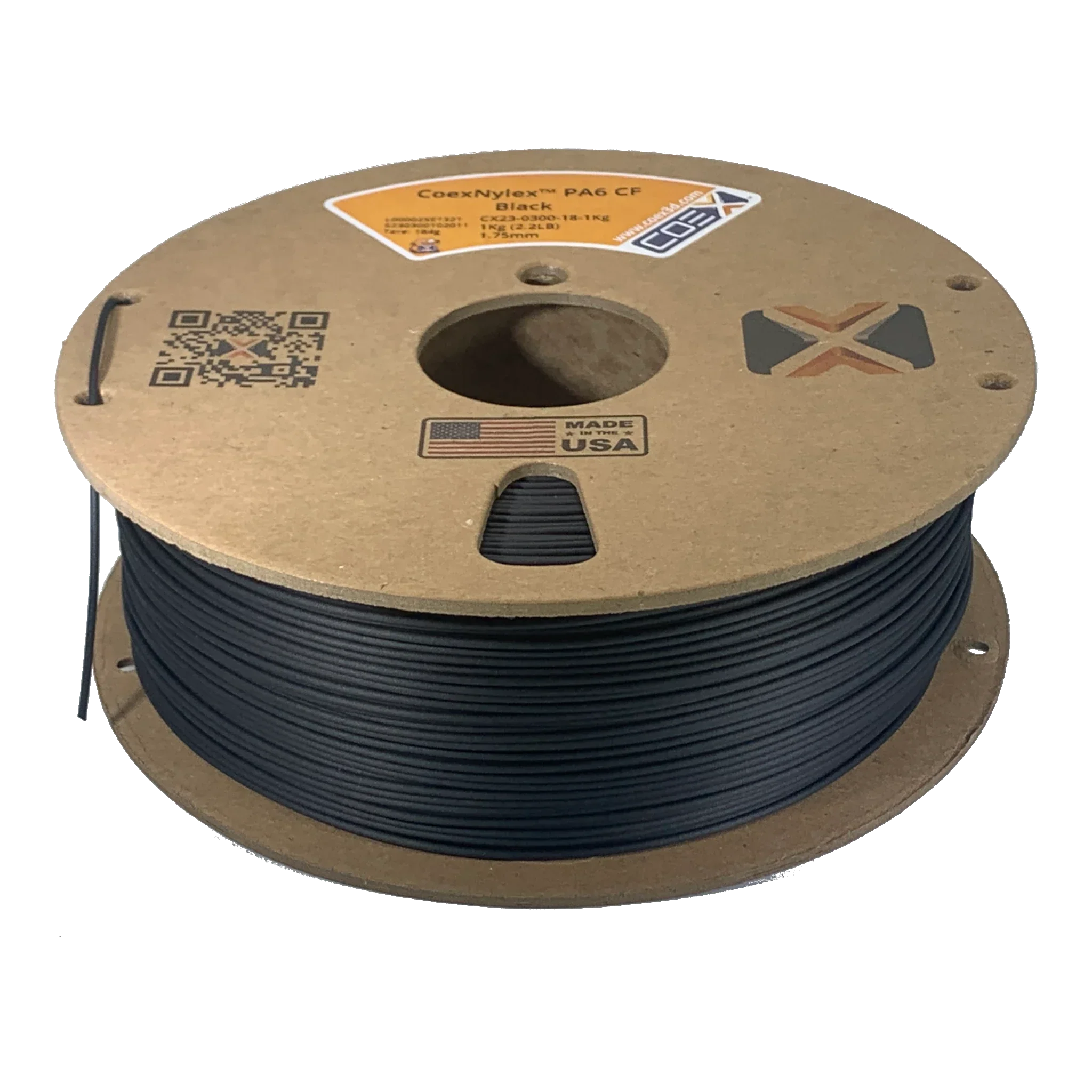
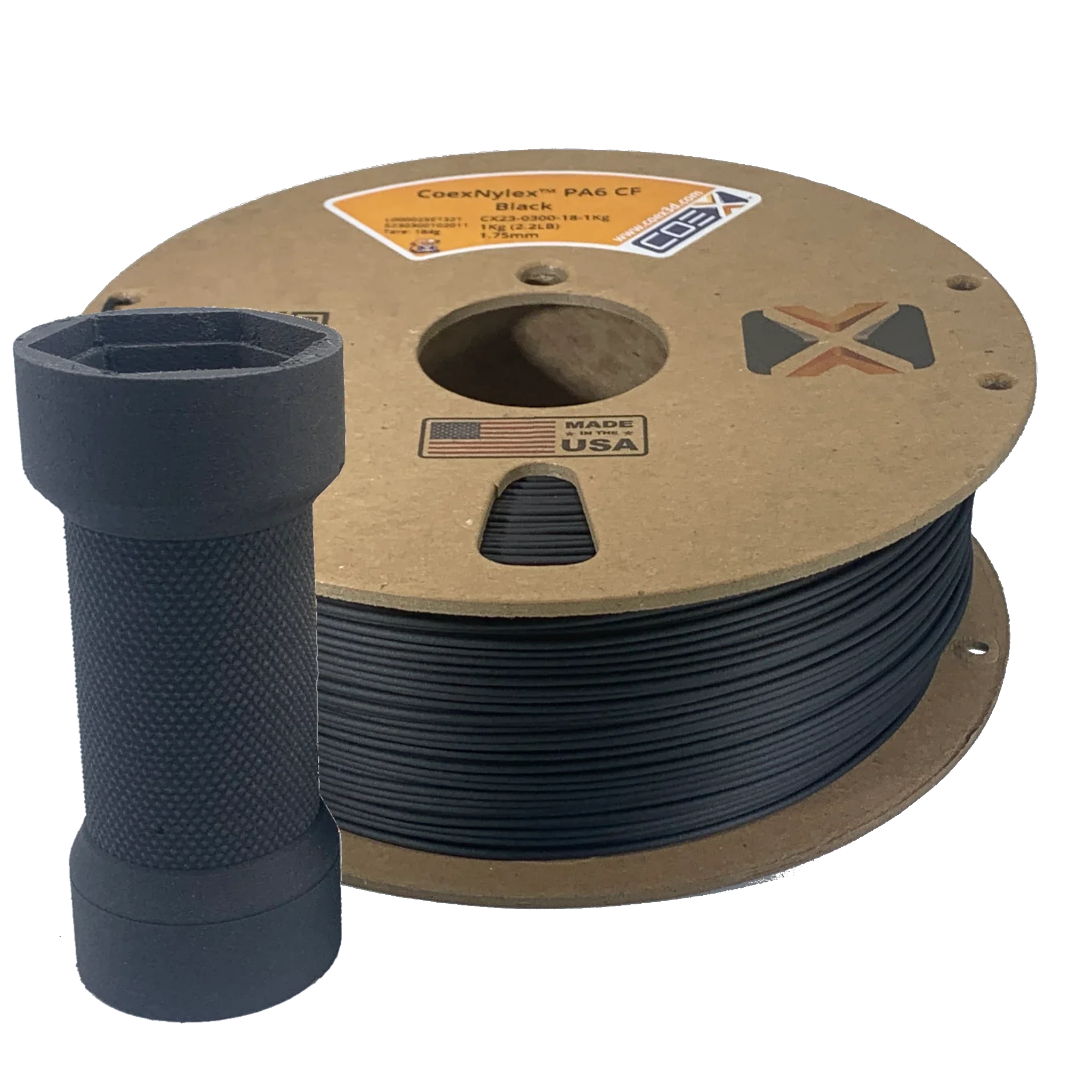
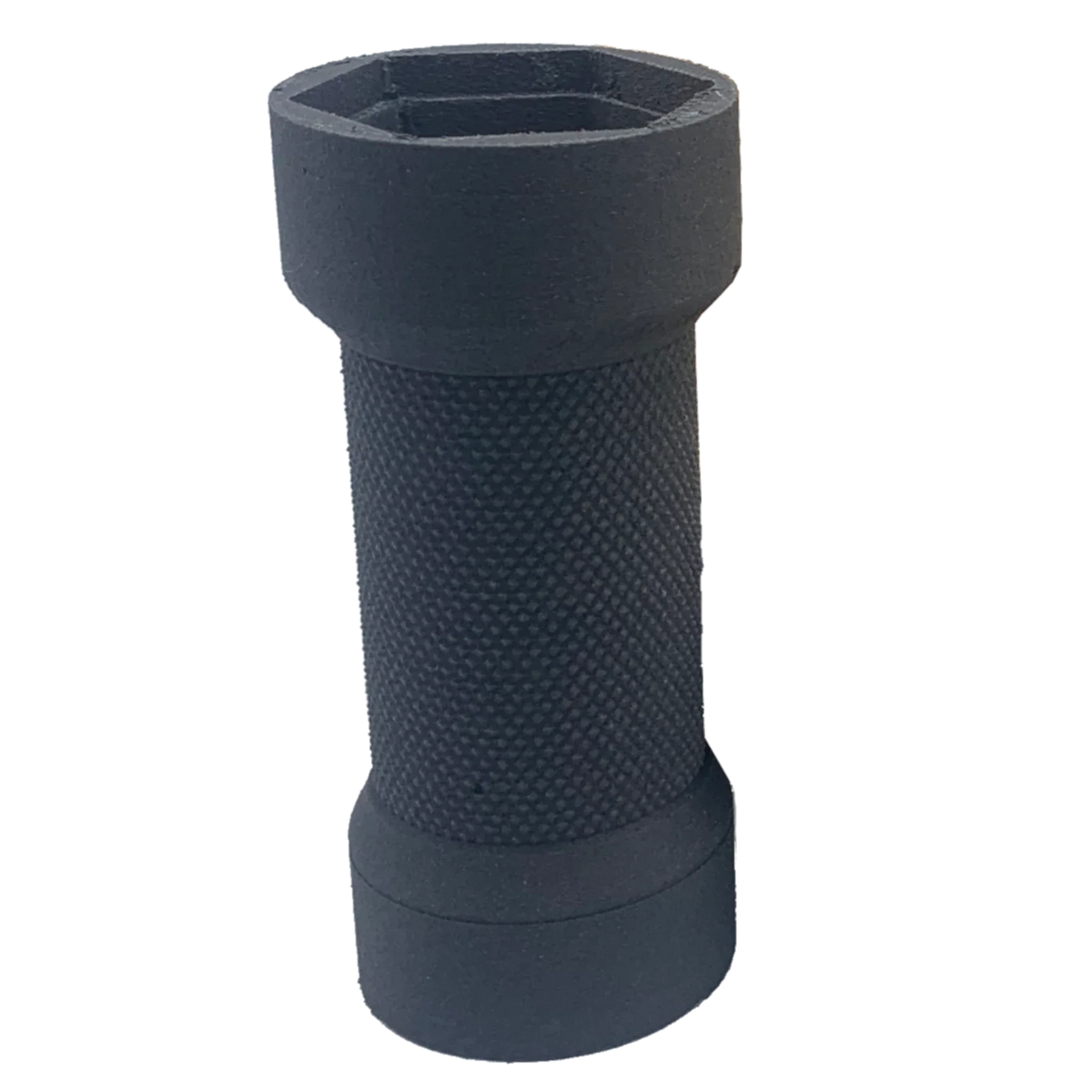
Schwarzes CoexNylex™ ungefülltes Nylon

Schwarzes CoexNylex™ ungefülltes Nylon

Ungefülltes Nylon, Farbe Schwarz. CoexNylex™ kombiniert hervorragende Hitzebeständigkeit mit chemischer und Hydrolysebeständigkeit

CoexNylex™ Nylon wird aus dem hochwertigsten Nylon von Dupont hergestellt. Coex Nylex kann auf den meisten 3D-Druckern gedruckt werden, um extrem langlebige und robuste Teile herzustellen.

.
Empfohlene Druckeinstellungen:

  • Drucken Sie auf einer mit Lösungsmitteln gereinigten und auf 85 °C bis 110 °C erhitzten Oberfläche.
  • Empfohlene Drucktemperatur 245°C-295°C
  • Ein Teilekühllüfter wird nicht empfohlen. Er kann zur Schichtablösung führen.
  • Beginnen Sie den Rückzug bei 1–1,5 mm bei 10–30 mm/Sek. für Extruder mit Direktantrieb und 2,5 mm bei 30–35 mm/Sek. für Extruder mit indirektem Antrieb

CoexNylex Ungefüllt TDS

Ergebnisse der CoexNylex-Studie

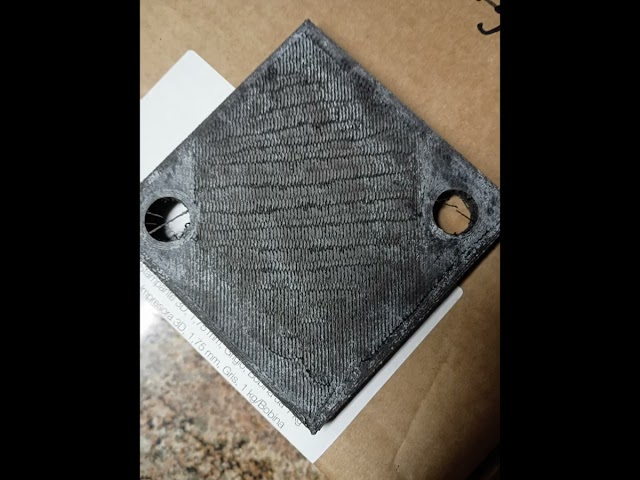
Nylon-Festigkeitstest

*Grafik mit freundlicher Genehmigung von Ryan Laffin, Nylex-Testteilnehmer

Technischer Druckleitfaden - COEXNYLEX PA6-CF

1. Wesentliche Hinweise

  • Halten Sie das Filament trocken – lagern Sie es ordnungsgemäß und trocknen Sie es vor der Verwendung.
  • Bei Bedarf 3 Stunden oder länger bei 75 °C trocknen
  • Verwenden Sie einen etwas höheren Z-Offset als PLA (+0,05 mm).
  • Aktivieren Sie „Überqueren von Perimetern vermeiden“, um das Stringing zu reduzieren
  • Erwägen Sie die Verwendung der Option „Wischen beim Einfahren“
  • Aktivieren Sie „Verlangsamen für kleine Bereiche“.
  • Drucken Sie Außenwände langsamer für eine bessere Qualität
  • Verwenden Sie für kleine Teile eine Mindestschichtzeit von 30 Sekunden
  • Erwägen Sie die Verwendung von „Extra Prime Amount“ nach dem Rückzug

2. Temperatureinstellungen

Betttemperatur: 80-100°C

  • Waschen Sie das Bett häufig, um eine gute Haftung zu gewährleisten. Verwenden Sie Spülmittel und spülen Sie es gründlich ab, um Öle zu entfernen.
  • Verwenden Sie bei Bedarf Betthaftungsprodukte (Klebestift, WELD3D )
  • Verwenden Sie die Krempe für hohe oder große Drucke
  • Halten Sie die Umgebungstemperatur stabil

Extrudertemperatur: 275-295°C

3. Grundlegende Parameter

Düse Schichthöhe Linienbreite Volumetrische Geschwindigkeit Temperatur
0,4 mm 0,2 mm 0,42 mm 14,0 mm³/s 250 °C
0,6 mm 0,3 mm 0,62 mm 31,5 mm³/s 255 °C
0,8 mm 0,4 mm 0,82 mm 56,0 mm³/s 260 °C
1,0 mm 0,5 mm 1,02 mm 87,5 mm³/s 265 °C


4. Geschwindigkeitseinstellungen

0,4-mm-Düse (Volumengeschwindigkeit: 14,0 mm³/s)

Linientyp Prozentsatz Geschwindigkeit
Äußerer Umfang 50 % 83,33 mm/s
Interne Umfänge 75 % 125,00 mm/s
Füllung 100 % 166,67 mm/s
Oben/Unten 60 % 100,00 mm/s
Erste Schicht 30 % 50,00 mm/s


0,6-mm-Düse (Volumengeschwindigkeit: 31,5 mm³/s)

Linientyp Prozentsatz Geschwindigkeit
Äußerer Umfang 50 % 84,68 mm/s
Interne Umfänge 75 % 127,02 mm/s
Füllung 100 % 169,35 mm/s
Oben/Unten 60 % 101,61 mm/s
Erste Schicht 30 % 50,81 mm/s


0,8-mm-Düse (Volumengeschwindigkeit: 56,0 mm³/s)

Linientyp Prozentsatz Geschwindigkeit
Äußerer Umfang 50 % 85,37 mm/s
Interne Umfänge 75 % 128,05 mm/s
Füllung 100 % 170,73 mm/s
Oben/Unten 60 % 102,44 mm/s
Erste Schicht 30 % 51,22 mm/s


1,0-mm-Düse (Volumengeschwindigkeit: 87,5 mm³/s)

Linientyp Prozentsatz Geschwindigkeit
Äußerer Umfang 50 % 85,78 mm/s
Interne Umfänge 75 % 128,68 mm/s
Füllung 100 % 171,57 mm/s
Oben/Unten 60 % 102,94 mm/s
Erste Schicht 30 % 51,47 mm/s


5. Rückzugseinstellungen

WICHTIG: Stellen Sie die Fahrgeschwindigkeit auf das Maximum ein, das Ihre Maschine zulässt (200–500 mm/s). Schnellere Bewegungen verkürzen die Filamentaustrittszeit und minimieren die Fadenbildung.

Düse Distanz Geschwindigkeit Z-Hop
0,4 mm 1,0–1,5 mm 40 mm/s 0,2 mm
0,6 mm 1,0–1,5 mm 40 mm/s 0,2 mm
0,8 mm 1,0–1,5 mm 40 mm/s 0,2 mm
1,0 mm 1,0–1,5 mm 40 mm/s 0,2 mm

6. Kühleinstellungen

Kühlkonfiguration:

    • Erste Schicht: 0 % (Ventilator aus)
    • Allgemeines Drucken: 40 % Basislüftergeschwindigkeit
    • Brücken und Überhänge: 80 % Lüftergeschwindigkeit
    • Schichten < 15 Sekunden: 40 % Lüftergeschwindigkeit

7. Anleitung zur Fehlerbehebung

Problem Lösung
Unregelmäßige Extrusion

1. Trocknen Sie das Filament

2. Überprüfen Sie den Extruder

3. Geschwindigkeit reduzieren

Schlechte Haftung

1. Trocknen Sie das Filament

2. Verwenden Sie Klebstoff

3. Passen Sie die erste Ebene an

Bespannung

1. Trocknen Sie das Filament

2. Rückzug einstellen

3. Reisegeschwindigkeit erhöhen

4. Temperatur prüfen

BITTE BEACHTEN: Diese Druckparameter sind erste Empfehlungen, die auf unseren Erfahrungen basieren. Sie müssen möglicherweise je nach 3D-Drucker, Umgebungsbedingungen und Geometrie des zu druckenden Teils angepasst werden. Verwenden Sie diese Einstellungen als Ausgangspunkt und optimieren Sie sie entsprechend Ihren spezifischen Anforderungen.
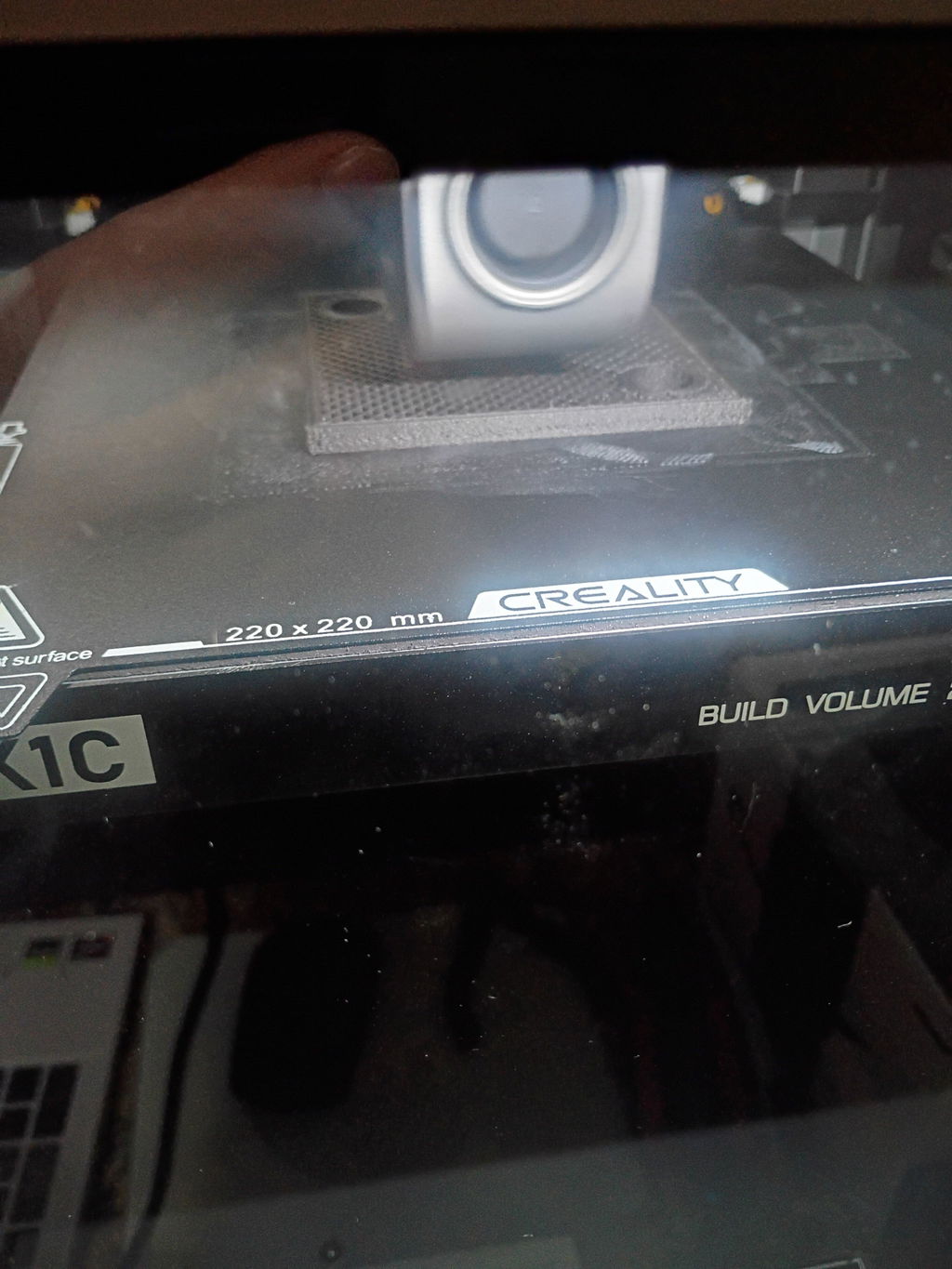
Coex 3D Filament Slicer Profiles

CX23 CoexNylex PA6-CF Technical Data Sheet

Technical Data Sheet: CX23 COEX-NYLEX CARBON FILLED SERIES 3D PRINTING FILAMENT

TDS Rev 1.0

BASE RESIN: Insight Polymers NBFC02

Physical Properties

PropertyStandardUnitTypical Value
Specific Gravity - DensityISO 1183g/cm³1.18
Melting Temperature, 10°C/minISO 11357-1/-3°C195

Mechanical Properties

PropertyStandardUnitTypical Value
Tensile StrengthASTM D638MPa76
Tensile ModulusASTM D638MPa3034
Yield % StrainASTM D638%4
Impact Strength (un-notched)ASTM D4812kJ/m²No Break

Thermal Properties

PropertyStandardUnitTypical Value
Drying Temperature @ 8 hours-°C80

SPECIFICATIONS

Filament Size:1.75mm(in)2.85mm(in)
MIN Diameter:1.72mm0.0677 in2.79mm0.1098 in
MAX Diameter:1.78mm0.0701 in2.91mm0.1146 in
Tolerance+/- .03mm+/- 0.0012 in+/- .06mm+/- 0.0024 in

ADVANTAGES

  • Heat Resistant, Chemical Resistant, Strong, Durable
  • Lightweight and incredibly strong material to make durable, functional parts.

Printed Specimen Conditions

Printer:Open Source FDM/FFF
Nozzle:0.4mm
Layer Height:0.25mm
Infill:100%, +/-45°
Extrusion Temp:245 - 295°C
Bed Temp:80 - 110°C
Specimen Orientation:XY Flat and Vertical
Printing Speed60mm/sec..

Disclaimer: The technical data contained on this data sheet is furnished without charge or obligation and accepted at the recipient's sole risk. This data should not be used to establish specifications limits or used alone as the basis of design. The data provided is not intended to substitute any testing that may be required to determine fitness for any specific use.

Download TDS (PDF)

CX23 CoexNylex PA6-CF Safety Data Sheet

Material Safety Data Sheet: CX23 PA6CF SERIES 3D PRINTING FILAMENT

MSDS

BASE RESIN: COEXNYLEX PA6CF

Issue Date: 05-12-2025

1. Identification of the substance/preparation of the company

1.1 Trade name:COEXNYLEX PA6CF 3D printer filament
1.2 Use of the product:3D printer filament, thermoplastic.
1.3 Supplier:1228 Elizabeth St
Green Bay, WI 54302
Phone: (920) 757-1055

2. Hazards identification

2.1 Classification:The product is not considered hazardous by 2012 OSHA Hazard Communication Standard: 29 CFR 1910.1200
2.2 Special advice on hazards:No specific dangers known.

3. Composition / information on ingredients

Chemical nameCAS No.Weight %Proprietary
Unspecified Nylon*70-95*
Carbon Fiber7440-44-05-30

The product contains no substances which at their given concentration are considered to be hazardous to health.

4. First-aid measures

4.1 On skin contact:In case of contact with molten polymer immediately cool the skin with cold water. Medical aid may be required to remove adhering material and for treatment of burns. The material is not likely to be hazardous by skin contact, but cleaning the skin after use is advisable.
4.2 After inhalation:Remove from exposure and move to fresh air immediately. If not breathing, give artificial respiration. If breathing is difficult, give oxygen. Get medical aid.
4.3 On ingestion:Drink plenty of water. Do not induce vomiting without medical advice. Call a physician immediately.
4.4 On eyes contact:In case of contact, immediately flush eyes with copious amounts of water for at least (15) minutes.

5. Fire-fighting measures

5.1 Suitable fire extinguishing media:Water spray, foam, dry powder.
5.2 Special exposure hazards:Hazards during fire-fighting: Ammonium hydroxide, carbon monoxide, carbon dioxide, hydrocarbons, nitriles, and hydrogen cyanide can be emitted at > 320 °C.
5.3 Special protective equipment:Self-contained breathing apparatus
5.4 Remark:In case of fire and/or explosion do not breathe fumes.

6. Accidental release measures

6.1 Personal precautions:Spilled material may cause a slipping Hazard.
6.2 Methods for cleaning up:Vacuum or sweep up material and place into a suitable disposal container.

7. Handling and storage

7.1 Handling:Avoid contact with molten polymer. Avoid inhalation of dusts/mists/vapors.
7.2 Storage:Protect against moisture. Store cool and keep packaging closed when not in use. Avoid sources of ignition.

8. Exposure controls/ personal protection

8.1 Technical safety measures:This product, as supplied, does not contain any hazardous materials with occupational exposure limits established by the region-specific regulatory bodies.
8.2 Personal safety equipment:Use adequate safety equipment, e.g. protective clothing, eye protection glasses, heat protection gloves. Additives in this product do not present a respiration hazard unless the product is ground to a powder of respirable size and the dust is inhaled. All dusts are potentially injurious to the respiratory tract if respirable particles are generated and inhaled. A respiratory protection program that meets country requirements must be followed whenever workplace conditions warrant respirator use. Consult the respirator manufacturer to determine the appropriate type of equipment for a given application. Observe respirator use limitations specified by the manufacturer. Consult the OSHA respiratory protection information located at 29CFR 1910.134. Use a positive pressure air supplied respirator if exposure levels are not known or there are any other circumstances where air purifying respirators may not provide adequate protection.
8.3 Work hygiene:No eating or drinking during working. Avoid contact of hot material with the skin. Avoid breathing dust and vapors.

9. Physical and chemical properties

9.1 Form:Spool
9.2 Color:Various
9.3 Odor:None
9.4 Melting Temperature:195C
9.5 Oxidizing properties:No test data
9.6 Explosions limits:No test data
9.7 Density:1.18 g/cm³
9.8 Solubility in water:Not soluble

10. Stability and reactivity

10.1 Stability:The product is stable at recommended storage conditions.
10.2 Conditions to be avoided:Temperature: > 320 degrees Celsius
10.3 Substances to be avoided:No special recommendations.
10.4 Hazardous decomposition products:Hazardous decomposition products: Ammonium hydroxide, carbon monoxide, carbon dioxide, hydrogen cyanide, nitriles. Thermal decomposition: > 320 °C

11. Toxicological information

11.1 Local irritation:None
11.2 Other remarks:Assessment of irritating effects: Irritation is possible when the product comes in contact with the skin, respiratory tract or the eyes. Thermal decomposition products of the substance can irritate the eyes, skin, and respiratory tract.

12. Ecological information

12.1 Ecological info:The product has not been tested. There is a high probability that the product is not acutely harmful to aquatic organisms.
12.2 Biological degradation:Experience shows this product to be inert and non-degradable. The product is virtually insoluble in water and can thus be separated from water mechanically in suitable effluent treatment plants.
12.3 Bioaccumulation:The product will not be readily bioavailable due to its consistency and insolubility in water.

13. Disposal considerations

13.1 Product:In accordance with local and national regulations. Should not be released into the environment. Do not contaminate ponds, waterways or ditches with chemical or used container.
13.2 Uncleaned packaging:Packaging material has to be emptied completely and disposed in accordance with the regulations. Packaging can be recycled if not contaminated.

14. Transport information

14.1 Transport regulations:Not classified as hazardous under transport regulations DOT, ICAO/IATA, IMDG/GGVSee, ICAO/IATA

15. Regulatory information

15.1 U.S. Toxic Substances Control Act (TSCA):Complies
15.2 SARA 313:This product does not contain any chemicals which are subject to the reporting requirements of the ACT and Title 40 of the Code of Federal Regulations, Part 372.

16. Other information

16.1 NFPA Hazard codes: Health: 1, Flammability: 1, Reactivity: 0

16.2 HMIS III Rating: Health: 1, Flammability: 1, Physical hazard: 0

This data is based on the current state of our information and experience. This safety data sheet describes our product in terms of safety requirements. Preceding data is not applicable as a warranty of product properties. It is the responsibility of the recipient to observe the existing legal regulations for the use of this product.

Disclaimer: The safety data contained on this data sheet is furnished without charge or obligation and accepted at the recipient's sole risk. This data describes our product in terms of safety requirements. The data provided is not applicable as a warranty of product properties. It is the responsibility of the recipient to observe the existing legal regulations for the use of this product.

Download SDS (PDF)

Schwarzes CoexNylex™ ungefülltes Nylon

SKU: CX23-0300-18-1KG
3 Bewertungen

Durchmesser: 1,75 mm
Gewicht: 1 kg
Preis:
Sonderpreis$85.00
Lagerbestand:
Nachschub kommt bald

You may also like

Recently viewed